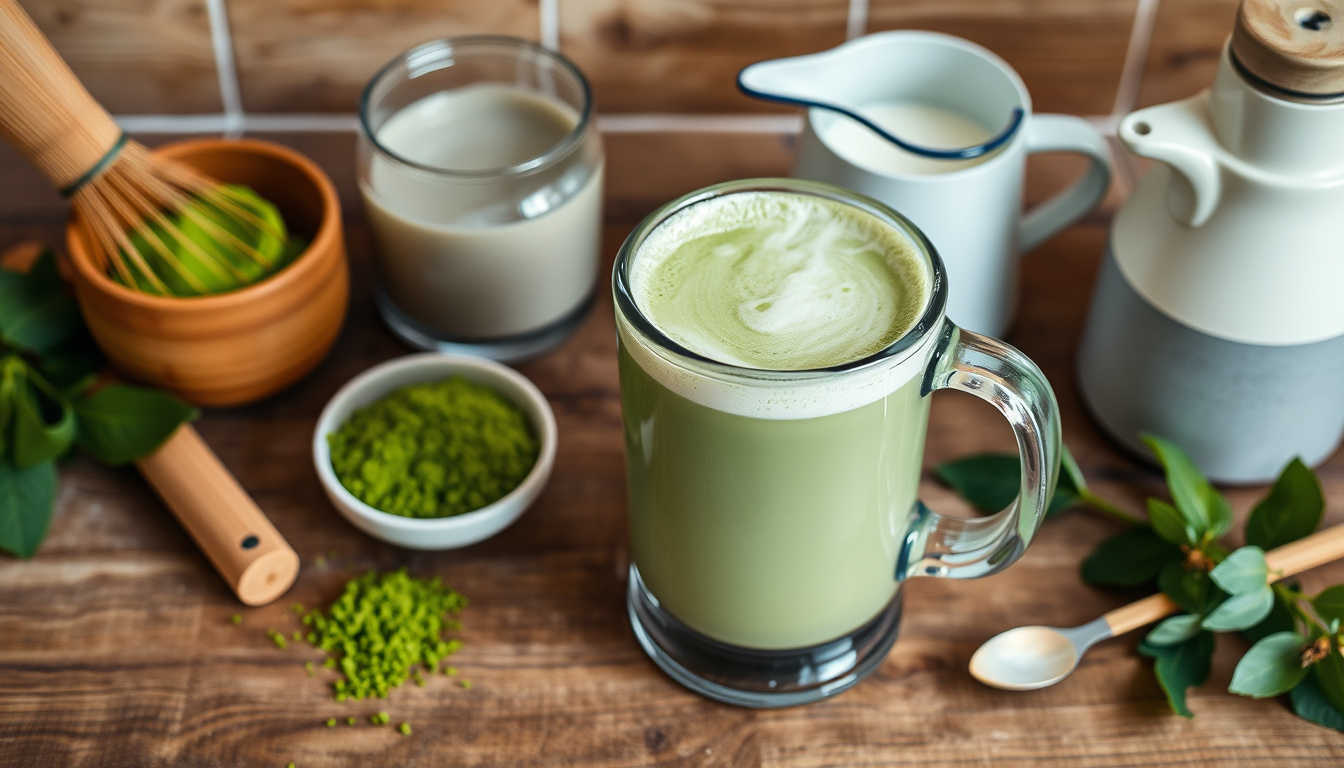
A well-made matcha latte combines the earthy richness of finely ground green tea with creamy milk and a touch of natural sweetness. Unlike espresso-based drinks, this beverage relies on properly dissolved matcha to create a smooth, vibrant drink without the need for specialized café equipment. Making one at home takes about five minutes and requires only a handful of ingredients most kitchens already have on hand.
The appeal of a homemade matcha latte extends beyond convenience. Controlling the quality of matcha powder, choosing your preferred milk, and adjusting sweetness levels allows for a personalized drink that often surpasses what coffee shops offer. Whether served hot during cooler months or over ice for a refreshing summer option, mastering this technique opens the door to countless variations.
This guide walks through every stage of preparation, from selecting the right ingredients to avoiding the clumps that frustrate many home baristas. Practical alternatives replace tools that might not be readily available, ensuring success regardless of kitchen setup.
What Ingredients Do You Need for Matcha Latte?
The foundation of any matcha latte rests on three core components: matcha powder, liquid, and a sweetener of choice. Each ingredient plays a specific role in achieving the characteristic smooth texture and balanced flavor profile that defines quality versions of this drink.
Key Insights
- Ceremonial-grade matcha produces a smoother, less bitter taste than culinary-grade alternatives, making it better suited for lattes
- Water temperature matters significantly—hotter than 175°F risks bitterness, while cold water fails to dissolve the powder properly
- Plant-based milks like oat and soy offer creaminess closest to dairy, while coconut adds richness but may separate
- Natural sweeteners such as maple syrup or agave integrate more evenly than granular sugars
- Pre-sifting matcha before mixing prevents the clumping that ruins texture
- One to two teaspoons of matcha powder per serving provides balanced flavor without overwhelming bitterness
- The drink contains antioxidants native to green tea, offering an energizing effect distinct from coffee jitters
Snapshot Ingredients
| Ingredient | Amount | Notes |
|---|---|---|
| Ceremonial-grade matcha powder | 1–2 tsp | Sift before use to prevent clumps |
| Hot water | 1–2 Tbsp (175°F/80°C) | Not boiling; preserves antioxidants |
| Milk or plant-based alternative | 1–1.5 cups | Cold for iced, warm for hot versions |
| Natural sweetener | 1–2 tsp | Maple syrup, agave, or Medjool date |
| Ice cubes | ½–1 cup | Fill glass 75% for iced version |
| Vanilla extract (optional) | ¼–½ tsp | Enhances flavor without added sugar |
Essential Tools for Making Matcha Latte at Home
One common misconception about matcha lattes involves the belief that traditional Japanese tea tools are necessary. While a bamboo whisk and proper matcha bowl create an authentic experience, several household alternatives produce comparable results without additional purchases. According to culinary experts, the matcha preparation tradition emphasizes technique over equipment.
What Equipment Do You Actually Need?
A small bowl or mug serves as the mixing vessel for dissolving matcha with hot water. The container should be deep enough to allow vigorous stirring without splashing. A standard coffee mug works well for this purpose and requires no special equipment.
A blender offers the smoothest results when incorporating matcha into milk, particularly for iced versions. Blending for ten to twenty seconds eliminates any remaining clumps and creates a creamy texture without the need for frothing. This method proves especially useful when serving over ice. For those seeking plant-based milk alternatives, oat and soy provide excellent texture.
A tall glass or jar with at least sixteen-ounce capacity accommodates the ice and liquid volume comfortably. A spoon or drinking straw assists with stirring after combining the ingredients.
A blender or vigorous spoon-stirring in a deep bowl produces smooth, lump-free matcha in thirty to sixty seconds. This approach works reliably for beginners and eliminates the need for traditional bamboo whisks.
Tools to Skip
Bamboo whisks, while traditional, require practice to use effectively and add unnecessary complexity for home preparation. Similarly, milk frothers serve no essential function in matcha latte preparation—the goal involves dissolving the matcha smoothly rather than creating foam.
Step-by-Step: How to Make a Matcha Latte
The process breaks down into distinct stages, each building toward a smooth final result. Paying attention to water temperature, mixing technique, and combining order ensures the best possible texture and flavor.
Dissolving the Matcha
Begin by sifting one to two teaspoons of ceremonial-grade matcha through a fine mesh strainer into a small bowl. This step, though sometimes skipped, prevents the powder from balling up when mixed with liquid. Once sifted, pour one to two tablespoons of hot water at approximately 175°F over the matcha.
Stir vigorously with a spoon for thirty to sixty seconds until the mixture reaches a smooth, vibrant green consistency. The liquid should appear uniform without visible particles. Alternatively, blend the matcha and hot water together for ten to twenty seconds if a blender is available.
Sweetening and Mixing
If desired, add one to two teaspoons of maple syrup, agave nectar, or another natural sweetener directly to the dissolved matcha. Stir thoroughly to ensure even distribution throughout the drink. This step works best when completed before adding milk, as sweeteners dissolve more readily in the concentrated matcha mixture. Health resources on sugar and sweeteners can guide your choices.
Building the Latte
For a hot version, heat your chosen milk to approximately 140°F before pouring it into a mug. For an iced version, fill a tall glass three-quarters full with ice and add cold milk, leaving room for the matcha mixture. Carefully pour the dissolved matcha over the milk and stir gently with a spoon or straw.
For enhanced creaminess in iced preparations, transfer the combined mixture to a blender and pulse briefly. This technique mimics the smoothness achieved when using specialty equipment and works particularly well with oat or soy milk.
Serving and Enjoying
Serve immediately for the best flavor and texture. Matcha lattes lose their vibrant color and can become diluted as ice melts, so timing the consumption close to preparation matters. A wide-bore straw allows drinking the layered mixture while stirring occasionally to redistribute settled matcha.
How to Make Iced Matcha Latte and Other Variations
The iced version adapts the hot preparation by incorporating ice and cold milk from the start. This variation proves especially popular during warmer months and aligns closely with what specialty coffee shops serve as their signature matcha beverages.
Classic Iced Matcha Latte
Prepare the matcha using the sifting and dissolving method described above. Fill a sixteen-ounce glass with ice until it reaches approximately seventy-five percent capacity. Pour one to one-and-a-half cups of cold, unsweetened plant-based milk over the ice, then add the dissolved matcha on top. Stir gently to combine, or blend all ingredients together for thirty seconds for a creamier result.
Vegan and Dairy-Free Options
Oat milk stands out as a top choice for vegan matcha lattes because of its creamy texture and mild flavor that complements the earthy matcha notes. Soy milk offers similar creaminess with slightly more protein content. Coconut milk provides richness but may separate when poured over ice—stirring before drinking helps redistribute the fat.
Those avoiding refined sugars can sweeten with maple syrup, agave, or by blending in a pitted Medjool date. Frozen banana adds natural sweetness plus thickness for a smoothie-like variation. These alternatives maintain the drink’s clean ingredient profile while accommodating various dietary preferences.
Flavor Enhancements
Vanilla extract, at a quarter to half teaspoon per serving, adds depth without contributing sugar. Lavender syrup creates a floral note popular in specialty versions, while cocoa powder transforms the drink into a chocolate-matcha combination. Adjusting vanilla quantity allows subtle versus pronounced flavoring depending on preference.
Tips to Avoid Common Matcha Latte Mistakes
Several predictable errors undermine matcha latte quality, particularly for those new to preparing the beverage. Understanding these pitfalls helps ensure consistent results batch after batch.
- Sifting the matcha — Finely ground matcha powder clumps easily when exposed to moisture. Always pass it through a fine mesh strainer before adding liquid, regardless of the mixing method chosen.
- Water temperature control — Boiling water damages the delicate compounds in matcha and creates bitter flavor. Keeping water at 175°F or below preserves the smooth, slightly sweet characteristics that define quality preparations.
- Precise matcha measurement — Using too much matcha overwhelms the drink with bitter, grassy notes. One to two teaspoons per serving provides balanced flavor that works with the milk and sweetener.
- Dissolving before combining — Adding dry matcha directly to milk creates clumps that resist incorporation. Always dissolve the matcha in a small amount of hot water first, then add the mixture to your milk.
- Serving timing — Matcha lattes taste best immediately after preparation. Ice continues melting and diluting the drink the longer it sits. Consume within a few minutes of making for optimal experience.
While matcha lattes taste best fresh, a blended iced version keeps in the refrigerator for up to one day. Shake or stir well before drinking if the mixture has separated overnight.
Understanding Matcha: Origins and Benefits
Matcha traces its roots to Japanese tea ceremony traditions dating back centuries. Unlike standard green tea, where leaves are steeped and discarded, matcha involves consuming the entire ground leaf. This method delivers a concentrated dose of antioxidants, including catechins and EGCG compounds, that support cellular health and provide sustained energy release. Historical accounts of tea cultivation in Japan detail the careful growing and harvesting methods that produce quality matcha.
The caffeine in matcha works differently than that in coffee due to the presence of L-theanine, an amino acid that promotes calm alertness. This combination produces focused energy without the jittery side effects many experience with espresso-based drinks. For those seeking an afternoon pick-me-up without disrupted sleep, matcha offers a balanced alternative.
The latte format makes this beverage accessible to those who find plain matcha too intense. Milk softens the vegetal notes while sweetener rounds out the experience, creating a gateway drink for newcomers to Japanese tea culture.
What Experts Say About Matcha Quality
Tea industry standards distinguish between ceremonial and culinary grade matcha based on processing methods and leaf quality. Ceremonial grade, intended for drinking straight, features brighter green color, finer texture, and smoother taste without bitterness. Culinary grade, designed for baking and cooking, withstands higher heat but carries more astringent flavor when prepared as a beverage.
Reputable sources recommend selecting ceremonial-grade matcha specifically for latte preparation. The additional cost reflects superior sourcing and processing that noticeably impacts the final drink quality. Specialty tea importers often provide detailed brewing guides for matcha that distinguish quality indicators.
Summary
Creating a quality matcha latte at home requires only five minutes, basic kitchen equipment, and four to six simple ingredients. Success depends on sifting the matcha before mixing, using water at the correct temperature, and combining the dissolved concentrate with milk rather than adding dry powder directly. Variations like iced versions, dairy-free alternatives, and adjusted sweetness levels allow customization to individual taste preferences.
Exploring drinks beyond coffee shops can enhance daily routines and introduce new flavor experiences. Those interested in discovering more about trending beverage menus and local options might explore the R&B Tea Menu – Prices, Drinks and California Locations for additional inspiration. Budget-conscious readers seeking affordable dining pairings can find helpful guidance in Cheap and Good Food Near Me – Best Apps and Local Tips.
Frequently Asked Questions
What’s the difference between matcha latte and matcha tea?
Matcha tea involves whisking matcha with hot water alone, producing a concentrated, bold taste. A matcha latte adds milk and often sweetener, creating a creamier, milder beverage closer to a traditional café drink.
Is matcha latte typically served hot or iced?
Both serving temperatures work well depending on preference and season. Hot versions suit cooler weather, while iced matcha lattes have become increasingly popular in specialty coffee shops year-round.
How does this recipe compare to Starbucks matcha latte?
This homemade approach omits the added syrups and uses higher-quality ceremonial matcha, allowing control over sweetness levels and ingredient quality. The result tends toward cleaner flavor without the sugar content found in commercial versions.
Should I use ceremonial grade matcha for lattes?
Ceremonial grade matcha produces smoother, less bitter flavor suitable for drinking with milk. Culinary grade contains more astringent notes that become pronounced when the matcha is the primary flavor component.
Why does my matcha always have clumps?
Clumps form when matcha contacts liquid before being fully dispersed. Sifting the powder first and using hot (not cold) water for initial dissolving prevents this issue. Blending or vigorous stirring afterward ensures complete smoothness.
Can I make matcha latte without any special tools?
Yes. A small bowl, spoon, and glass suffice for basic preparation. A blender improves texture but remains optional. Traditional tools like bamboo whisks and matcha bowls are cultural items, not requirements.
What milk works best for matcha latte?
Oat milk and soy milk most closely replicate dairy creaminess, particularly when served iced. Coconut milk adds richness but may separate. Unsweetened varieties allow control over total sugar content.