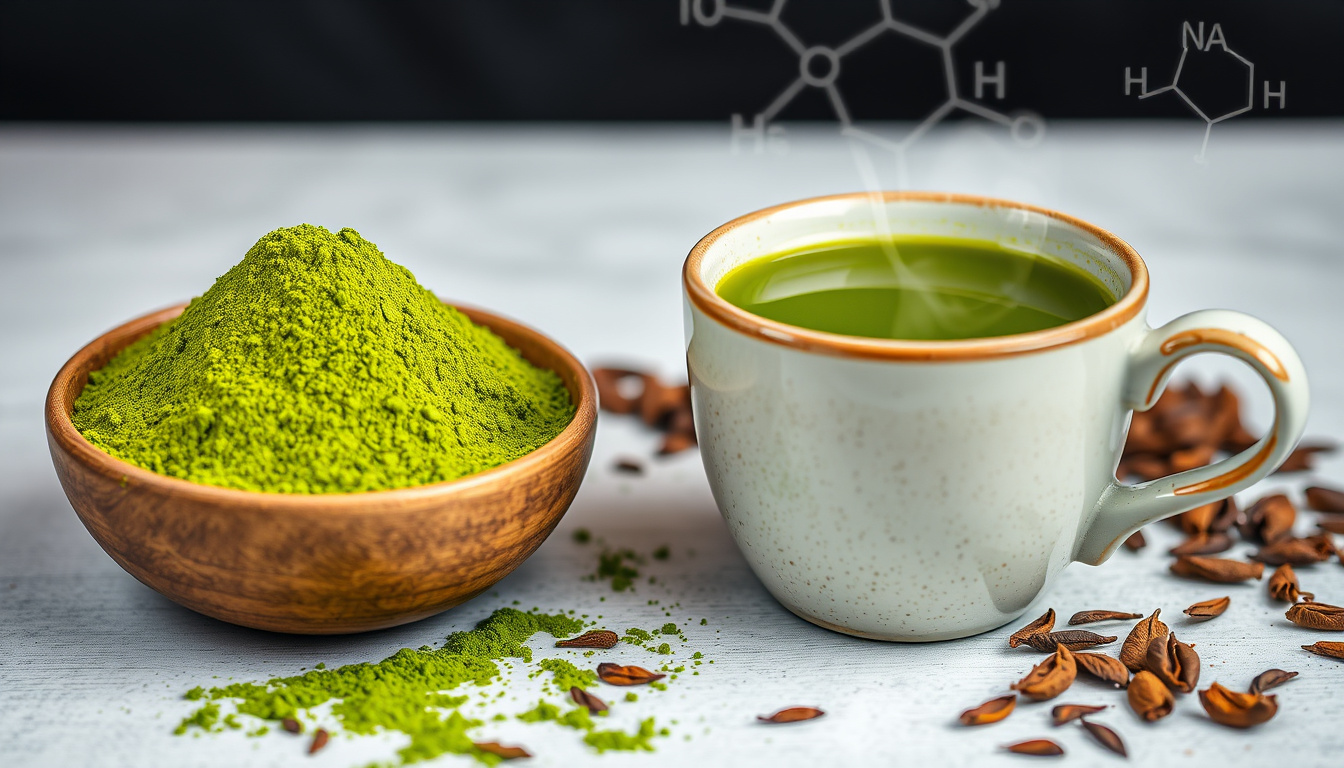
Anyone who’s swapped their morning coffee for a vibrant green latte has probably wondered: does matcha actually have caffeine, or is it just a health halo? The short answer is yes — but the experience of matcha is fundamentally different from coffee, thanks to a unique amino acid called L-theanine that changes how your body processes the stimulant. This article breaks down exactly how much caffeine is in matcha, how it compares to coffee, and what that means for your energy, sleep, and daily habits.
Average caffeine in matcha (per cup): 70 mg ·
Average caffeine in coffee (per cup): 100–150 mg ·
Caffeine range per gram of matcha: 19–44 mg ·
L-theanine content in matcha: High — promotes calm alertness ·
Caffeine in Starbucks matcha latte (grande): 80 mg
Quick snapshot
- Matcha contains caffeine — typically 19–44 mg per gram of powder (Healthline editorial team)
- L-theanine in matcha modulates the caffeine effect, producing calmer energy (Breville kitchen appliance and beverage analysis)
- Matcha has less caffeine per cup than coffee on average (ABC News Australia public broadcaster)
- Caffeine content varies by brand, harvest, and preparation method (Verywell Health editorial publication)
- Exact caffeine content of specific commercial products (e.g., Starbucks matcha latte) is not independently verified
- Long-term effects of daily matcha consumption in large amounts lack robust clinical data
- Individual sensitivity to matcha’s L-theanine and caffeine combination varies widely
- Matcha energy rise: gradual, peaking around 30–45 minutes (AURI Matcha analysis)
- Coffee caffeine onset: faster, within 15–20 minutes (Takeroon beverage comparison guide)
- Matcha sustained energy: reported 4–6 hours vs coffee’s 3–5 hours (Takeroon beverage comparison guide)
- L-theanine reaches peak concentration in about 30 minutes (Healthline editorial team)
- Growing consumer demand for matcha may lead to more standardized caffeine labeling
- Further research into L-theanine’s interaction with caffeine could clarify sleep and anxiety effects
- Expect more matcha-based products (ready-to-drink, concentrates) with variable caffeine profiles
Does Matcha Have Caffeine?
The direct answer is yes — matcha is a caffeinated beverage. A single gram of matcha powder contains between 19 and 44 mg of caffeine, according to Healthline’s nutrition editorial team. Since a standard serving uses about 2 grams of powder (roughly 1 teaspoon), a typical cup delivers 38–88 mg of caffeine, with most sources putting the average around 70 mg.
How much caffeine is in a typical cup of matcha?
- Per gram of powder: 19–44 mg of caffeine (Healthline editorial team)
- Standard cup (2g matcha, 8 oz water): 38–88 mg, commonly averaging 70 mg (Hers women’s health editorial)
- Starbucks matcha latte (grande, 16 oz): 80 mg — though this includes milk and sweetener
Four facts, one pattern: matcha’s caffeine range is wide, and the variation matters more than the average. The grade of matcha — ceremonial versus culinary — and the amount of powder used change the outcome significantly. Verywell Health editorial publication notes that younger, shade-grown leaves used for ceremonial matcha tend to have higher caffeine content than culinary grades.
What affects the caffeine content in matcha?
- Leaf quality and harvest: Shade-grown tea plants produce higher caffeine and L-theanine levels
- Powder amount: Using 1g versus 3g of matcha doubles or triples the caffeine dose
- Preparation method: Traditional whisking (usucha) vs. thick preparation (koicha) changes concentration
A “healthy” matcha latte from a café could contain anywhere from 40 mg to over 120 mg of caffeine depending on how many scoops of powder the barista uses. There is no industry standard for matcha servings — you’re relying on the establishment’s recipe.
Is Matcha Higher in Caffeine Than Coffee?
Volume for volume, no — coffee contains more caffeine per cup. But gram for gram of the raw material, matcha wins. This distinction trips up most people comparing the two drinks.
The comparison isn’t just about milligrams. The delivery system — how your body absorbs the caffeine — matters as much as the dose.
| Beverage | Caffeine per 8 oz cup | Caffeine per gram of material | L-theanine | Onset profile |
|---|---|---|---|---|
| Matcha (2g powder) | 38–88 mg (avg 70 mg) | 19–44 mg/g | ~20–50 mg per cup | Gradual rise over 30–45 min |
| Coffee (brewed, 8 oz) | 100–150 mg | ~10–12 mg/g of grounds | None | Faster onset, ~15–20 min |
| Green tea (bagged, 8 oz) | 20–50 mg | ~3–6 mg/g | Low (~5–10 mg) | Mild, steady |
How much caffeine is in coffee compared to matcha?
A standard 8-ounce cup of brewed coffee contains roughly 95–100 mg of caffeine, based on data from GoodRx health information platform. The same volume of matcha delivers 38–88 mg. ABC News Australia public broadcaster reports a similar ratio: a 250 ml cup of coffee at 100 mg vs. matcha at 60–75 mg.
The gap widens if you drink strong coffee or use multiple servings — coffee’s caffeine content can easily exceed 150 mg per cup depending on roast and brew method, while matcha tops out around 90 mg even with generous powder.
Does the L-theanine in matcha change the caffeine experience?
Yes — and this is the most important difference between the two drinks. Matcha contains 20–50 mg of L-theanine per cup, an amino acid that Verywell Health editorial publication notes “counteracts some of caffeine’s less desirable effects.” The result is a state often described as “calm alertness” — focused but not jittery.
Coffee drinkers who switch to matcha for its caffeine often report the same mental clarity with less anxiety. For people prone to coffee-induced jitters, matcha offers a genuine alternative — not because it has less caffeine, but because the caffeine hits differently.
Can Matcha Keep You Awake?
Yes — matcha contains enough caffeine to interfere with sleep, especially if consumed late in the day. But the effect is milder and more spread out than coffee’s.
How does matcha’s caffeine affect alertness?
- Onset: L-theanine reaches peak concentration in about 30 minutes (Healthline editorial team), which aligns with matcha’s gradual energy build
- Intensity: Less jittery than coffee due to L-theanine modulation (Hers women’s health editorial)
- Duration: Sustained focus lasting 4–6 hours (Takeroon beverage comparison guide)
AURI Matcha analysis describes matcha’s energy as a “gradual rise over 30–45 minutes” rather than coffee’s faster spike felt within 15 minutes.
Is 2 PM too late for matcha?
For most people, yes — borderline. GoodRx health information platform recommends avoiding caffeine within about 6 hours of bedtime. If you sleep at 10 PM, that means no matcha after 4 PM. For sensitive individuals, a 2 PM matcha can still cause sleep disruption because the caffeine half-life (about 4–6 hours) means enough remains active at bedtime.
Coffee Studies independent beverage analysis confirms that “caffeine still has a half-life in matcha, so late-day matcha can still disturb sleep.” The L-theanine may make you feel less wired, but the caffeine is still present.
The pattern: Matcha’s gentler energy profile can trick you into thinking it won’t affect sleep — but it absolutely can. If you’re a poor sleeper, treat matcha the same way you treat coffee: last cup by early afternoon.
What Are the Cons of Matcha Tea?
Matcha has notable downsides that rarely appear in the wellness influencer posts. Here’s what the evidence actually shows.
What are the downsides of matcha?
Upsides
- Sustained, calm energy without coffee jitters
- High antioxidant content (EGCG, ORAC ~1384 units/g)
- L-theanine improves focus and reduces anxiety
- Lower caffeine per cup than coffee (70 mg vs 100–150 mg)
Downsides
- Can cause caffeine overconsumption with multiple servings
- Stomach upset or nausea in some people (Verywell Health)
- May interact with blood pressure medications or stimulants
- Dairy reduces antioxidant absorption for some individuals
Verywell Health editorial publication notes that matcha can cause nausea, digestive irritation, and sleep disruption if consumed in sufficient amounts or too late in the day. Coffee shares these same side effects — but because matcha is marketed as “healthy,” people often consume more of it without realizing the caffeine adds up.
What not to mix with matcha?
- Dairy products: Some research suggests milk proteins (casein) can bind to catechins in matcha, reducing antioxidant absorption — though the effect varies by person
- Iron supplements or iron-rich meals: Tannins in matcha can inhibit iron absorption; space consumption 1–2 hours apart
- Other stimulants: Combining matcha with coffee, energy drinks, or pre-workout supplements can lead to excessive caffeine intake
The “matcha latte” trend has normalized drinking matcha with milk and sugar multiple times a day. A grande matcha latte from a café chain can contain 80 mg of caffeine plus 25+ grams of sugar — that’s a stimulant-and-sugar combo that undermines any health halo. Read the nutrition info, not the marketing.
Is It Safe to Drink Matcha Every Day?
For most healthy adults, 1–2 cups of matcha per day is safe and may provide health benefits. But “safe” depends on your total caffeine intake from all sources and your individual sensitivity.
Is matcha good for you?
Matcha is rich in epigallocatechin gallate (EGCG), a catechin antioxidant that Healthline’s editorial team links to potential anti-inflammatory and metabolic benefits. The ORAC (antioxidant capacity) of matcha is approximately 1384 units per gram — significantly higher than regular green tea or most fruits.
However, the same antioxidant potency can cause issues. High doses of EGCG (from supplements, not typically from tea) have been linked to liver toxicity in rare cases. Drinking matcha as a beverage, even multiple cups, is far below that threshold for most people.
Does matcha make you poop?
Some people report a laxative effect from matcha, likely due to its caffeine content and the presence of magnesium. Caffeine stimulates intestinal muscle contractions, which can trigger bowel movements. For matcha specifically, the combination of caffeine and fiber (since you consume the whole leaf) may amplify this effect compared to steeped green tea.
The effect is dose-dependent and varies by individual — a single cup may not produce noticeable changes in most people.
The implication: Daily matcha is safe for the vast majority of adults, but it’s not a free pass. Track your servings, watch for digestive signals, and respect the caffeine. For pregnant individuals or those with cardiovascular conditions, consult a healthcare provider — GoodRx health information platform recommends limiting caffeine to 200 mg or less during pregnancy, which means at most 2–3 cups of matcha.
For a deeper look at matcha’s caffeine content, matchas caffeine content provides a side-by-side comparison with coffee.
Frequently asked questions
Does matcha latte have caffeine?
Yes. A matcha latte made with 2g of matcha powder contains roughly 38–88 mg of caffeine, depending on the powder amount and brand. A Starbucks grande matcha latte has 80 mg of caffeine.
Is matcha good for you?
Matcha is rich in antioxidants (especially EGCG), provides L-theanine for calm focus, and contains less caffeine per cup than coffee. However, excessive consumption can cause caffeine side effects and digestive issues in some people.
Does matcha make you poop?
Some people experience a mild laxative effect from matcha due to its caffeine content and fiber (since matcha is powdered whole tea leaves). The effect is individual and dose-dependent.
Why do I feel high after matcha?
Matcha’s combination of caffeine and L-theanine produces a state of calm alertness that some describe as a mild “buzz” or euphoria. This is a normal effect of the L-theanine modulating the caffeine stimulation.
Why is Gen Z obsessed with matcha?
Matcha’s appeal to younger consumers is driven by social media aesthetics, perceived health benefits over coffee, and a smoother energy experience that fits modern wellness culture. The vibrant green color is highly photogenic for platforms like Instagram and TikTok.
Is 2 PM too late for matcha?
For most people, 2 PM is borderline. Caffeine has a half-life of 4–6 hours, so a 2 PM matcha means about half the caffeine is still active at 6–8 PM. If you’re sensitive to caffeine or have sleep issues, avoid matcha after noon.
What not to mix with matcha?
Avoid mixing matcha with dairy if you want full antioxidant absorption (casein binds catechins), with iron supplements (tannins inhibit absorption), or with other stimulants (risk of excessive caffeine).
Related reading
- Omega 3 Fish Oil: Benefits, Safety, and Evidence-Based Answers
- Pilates Studio Near Me: Cost, Benefits & Tips
Editor’s note: This article is for informational purposes only and does not constitute medical advice. Consult a healthcare provider before making significant changes to your caffeine intake.