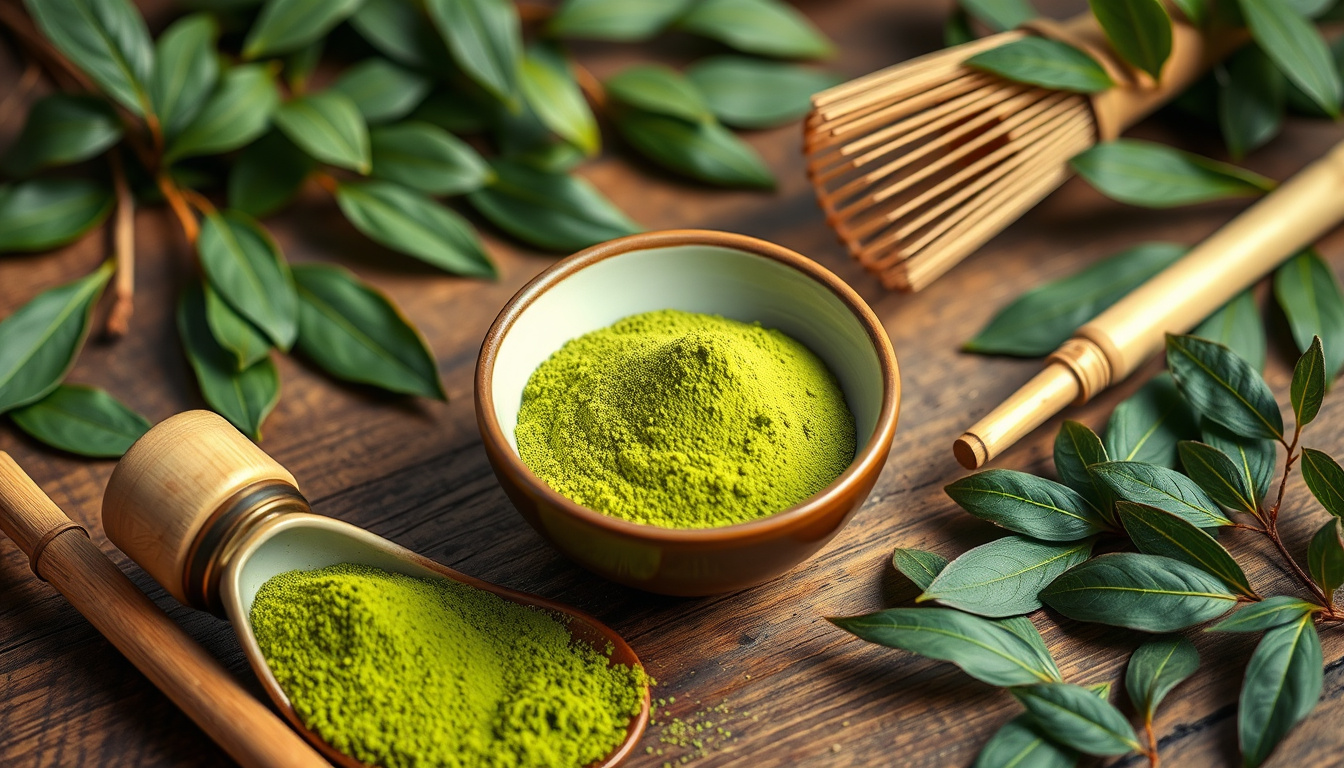
If you’ve walked past a specialty café lately, you probably noticed the bright green drink everyone’s clutching. Matcha has gone from ceremonial Japanese tea to Instagram status symbol—and it’s now the go-to morning ritual for a generation that swore off coffee. But before you jump on the trend, it helps to know what’s actually in that jade-colored powder.
Plant source: Camellia sinensis · Form: finely ground powder · Growing method: shade-grown leaves · Origin use: Japanese tea ceremonies · Color: bright green
Quick snapshot
- Made from ground shade-grown green tea leaves (The Week)
- Comes from the Camellia sinensis plant (The Week)
- Stone-ground into fine powder for whole-leaf consumption (Cha Wellness)
- Whether matcha directly burns belly fat in humans
- How effectively it reduces LDL cholesterol in practice
- Exact cortisol-lowering levels and how long effects last
- Matcha dubbed “Gen Z green juice” with sustained social media presence (Jerusalem Post)
- Health-forward drinks trending as Gen Z prioritizes wellness over coffee (Jerusalem Post)
- Demand for photogenic, gut-friendly beverages continues rising (Jerusalem Post)
- Matcha likely becomes standard menu item at mainstream chains
- More research emerging on L-theanine and EGCG effects
- Expect product diversification (bars, supplements, foods)
What Are the Health Benefits of Matcha?
Matcha’s growing popularity isn’t just about aesthetics. The shade-growing process boosts certain compounds that research suggests may benefit health. The Science Survey notes that matcha leaves are shaded to enhance chlorophyll and amino acid production, which gives the powder its signature color and nutrient density.
The Week reports that shade-growing increases catechins—polyphenols with antioxidant properties that protect cells from free radicals and reduce inflammation. These compounds are present in higher concentrations in matcha than in regular green tea because the entire leaf gets consumed rather than just an infusion.
Matcha also contains L-theanine, an amino acid that promotes calm focus without drowsiness. The Week highlights L-theanine’s stress-busting properties, which may explain why matcha provides steady energy rather than the spike-and-crash pattern coffee delivers.
Antioxidants and metabolism
Cha Wellness identifies EGCG (epigallocatechin gallate) as a key compound in matcha that supports skin health and metabolism. This catechin is among the most studied components in green tea, and matcha delivers it in concentrated form since you consume the whole ground leaf.
Chlorophyll—the pigment responsible for matcha’s vibrant green—also appears in higher amounts in shade-grown leaves. Cha Wellness notes chlorophyll supports detoxification processes, though direct human studies are still limited.
Potential heart health effects
According to The Week, potential health benefits of matcha include improved memory, reduced risk of heart attack, and relief from period pain. The Jerusalem Post adds that matcha may reduce bad cholesterol and promote liver detoxification, though these effects require more human trials to confirm definitively.
The combination of caffeine with L-theanine gives matcha a cardiovascular profile distinct from coffee. Cha Lab reports that coffee delivers 40mg of caffeine per 100g for a fast boost, while matcha provides 30mg per 100g for steadier focus—a trade-off many find worth making.
Matcha’s health appeal comes from consuming the whole leaf rather than just brewed water. This means higher antioxidant and L-theanine intake than standard green tea, though the magnitude of specific benefits still needs more human research to confirm.
Is Matcha Actually Healthier?
Comparing matcha to other teas reveals some meaningful differences. Because you ingest the entire leaf in powder form, matcha delivers more of the beneficial compounds than steeped tea does. Cha Lab explains that matcha provides higher antioxidants and L-theanine than coffee or regular tea since nothing gets discarded.
That said, “healthier” depends on what you’re optimizing for. If you’re caffeine-sensitive, matcha’s lower caffeine content and L-theanine combination makes it gentler than coffee. But if you want maximum polyphenols per dollar, traditional high-quality green tea remains competitive.
Compared to other teas
Regular green tea involves steeping leaves and discarding them—you absorb perhaps 20-30% of available catechins. Matcha, by contrast, delivers 100% of the leaf compounds since it’s fully consumed. The Week confirms this fundamental difference in how the two forms work nutritionally.
The trade-off: matcha costs more and requires more skill to prepare well. Traditional green tea offers a lower-barrier entry point with respectable health benefits if you’re consistent about consumption.
Nutrient profile
The Week’s breakdown shows matcha delivers notable amounts of catechins, L-theanine, and caffeine per serving. Cha Wellness adds that EGCG and chlorophyll round out the profile, making it one of the more nutritionally dense tea options available.
One gram of quality ceremonial matcha typically provides meaningful doses of these compounds, whereas lower ceremonial-grade or culinary matcha will have diluted potency. Reading ingredient lists matters more than with other teas.
Matcha’s whole-leaf consumption model explains why its nutrient density exceeds steeped tea. For consumers prioritizing maximum benefit per serving, the higher cost may justify the investment—but that math only works if you actually enjoy the taste.
Why Is Gen Z Obsessed with Matcha?
The matcha wave among younger consumers isn’t accidental. Cha Wellness explains that Gen Z prefers matcha for calm, focused energy without coffee’s jitters or crash—a benefit directly tied to L-theanine moderating caffeine’s effects. This explains why matcha lattes dominate specialty café menus in neighborhoods with heavy young professional traffic.
Cha Lab notes that Gen Z chooses matcha for wellness priorities: gut health, stress reduction, and sustainable sourcing. These values align with the broader health-forward movement that’s reshaped beverage consumption patterns across developed markets.
Social media trends
The Jerusalem Post reports that matcha has been dubbed “Gen Z green juice” and trends consistently on Instagram among influencers. The visual appeal—a vivid green drink against minimalist backgrounds—translates naturally to social sharing, creating organic marketing momentum.
Cha Lab cites Coffee Intelligence data showing that Gen Z drives demand for health-forward, photogenic drinks. This demographic prioritizes experiences that look good on camera while delivering functional benefits, and matcha checks both boxes.
Taste and versatility
Beyond health, matcha offers flavor complexity that appeals to palates accustomed to coffee’s bitter notes. Cha Lab highlights that matcha provides smoother energy with better mood effects than coffee, making it a natural transition drink for those reducing caffeine intake.
The versatility factor matters too. Matcha works in hot water, lattes, smoothies, baking, and desserts—making it easier to integrate into daily routines than more situational beverages. This adaptability keeps matcha relevant across different consumption contexts.
Matcha’s traditional Japanese roots—ceremonial, meditative, slow—clash with Gen Z’s fast-paced, social-media-first lifestyle. Yet that tension creates the cultural appeal: a product that feels ancient and intentional while fitting modern consumption patterns.
What Are the Downsides of Matcha Tea?
Matcha isn’t without drawbacks. Caffeine content, even if lower than coffee, still affects sleep-sensitive individuals. Quality variation across products means some matcha delivers less of the beneficial compounds than labels suggest. And the cost—significantly higher than traditional tea—makes daily consumption a pricier habit.
The heavy metal issue deserves attention: some teas, including matcha, tested positive for lead contamination depending on growing region and soil conditions. Ceremonial-grade matcha from reputable sources typically tests for heavy metals, but budget products may not.
Overconsumption risks
Drinking excessive matcha can cause caffeine-related side effects: jitteriness, anxiety, disrupted sleep, and increased heart rate. While L-theanine moderates these effects compared to coffee, overconsumption still produces unpleasant symptoms for sensitive individuals.
The oxalate content in matcha poses another consideration for those prone to kidney stones. Regular, moderate consumption is generally safe, but heavy daily intake may contribute to oxalate accumulation in susceptible people.
Caffeine sensitivity
Even with L-theanine’s calming influence, matcha contains meaningful caffeine levels. Those with anxiety disorders, heart conditions, or caffeine sensitivity should approach matcha cautiously and monitor their individual reactions.
Timing matters: consuming matcha in the afternoon or evening may interfere with sleep even for people who handle coffee fine. The L-theanine effect isn’t strong enough to fully counteract caffeine’s impact on sleep architecture for everyone.
Matcha quality varies wildly by price and source. Low-cost matcha often contains stems, stems mixed with leaf, or lower-grade leaves ground inconsistently. For the health benefits that make matcha worth drinking, spend on ceremonial-grade from transparent suppliers.
Is Drinking Matcha Daily Good for You?
For most people, daily matcha consumption in moderate amounts appears safe and potentially beneficial. The Week’s reporting on L-theanine and antioxidant content suggests consistent intake may support stress management and cellular health over time. However, “good for you” depends on individual health status, caffeine tolerance, and quality of the matcha consumed.
The science on specific claims—belly fat reduction, LDL lowering, cortisol management—remains preliminary. The Week notes these as potential benefits, but human clinical data is limited. Treating matcha as medicine would be overstating current evidence.
Daily limits
One to two cups daily represents a conservative, generally safe range for most adults. This provides meaningful doses of L-theanine and catechins without excessive caffeine or oxalate exposure. Those with caffeine sensitivity may prefer limiting to one serving or opting for caffeine-free alternatives on some days.
Quality matters more than quantity: one cup of high-grade matcha delivers more beneficial compounds than three cups of culinary-grade powder. Investment in better product pays dividends in both nutrition and taste.
Long-term effects
Regular matcha consumption’s long-term trajectory looks positive for most people. The antioxidant and anti-inflammatory effects, if sustained over years, may contribute to cardiovascular and metabolic health. But research spans months, not decades—long-term studies remain limited.
The cultural staying power matters too: a habit you’ll maintain beats a superior option you abandon. If daily matcha works for your routine, budget, and taste preferences, it probably represents a solid choice regardless of whether some health claims overshoot current evidence.
Upsides
- Higher antioxidant intake than steeped tea due to whole-leaf consumption
- L-theanine provides calmer energy than coffee without the crash
- Supports stress management through amino acid profile
- Versatile for cooking, lattes, or traditional preparation
- Strong cultural momentum means quality products stay available
Downsides
- Higher cost than traditional green tea or coffee
- Caffeine affects sleep-sensitive individuals
- Quality varies significantly between products
- Heavy metal contamination risk in some sources
- Some health claims (fat burning, cholesterol) lack strong evidence
“Matcha is a type of green tea made from the powdered leaves of the Camellia sinensis plant.”
— BBC Good Food (food and nutrition authority)
“Matcha is a finely ground powder of green tea specially processed from shade-grown tea leaves.”
— Wikipedia (community-edited reference with sourced citations)
Related reading: How to Make Matcha Latte
Frequently asked questions
What is matcha good for?
Matcha’s main benefits come from its concentration of L-theanine (calm focus), catechins and EGCG (antioxidant support), and chlorophyll (potential detoxification aid). Regular consumption may support stress management, metabolic function, and cardiovascular health, though specific outcomes vary by individual.
What does matcha taste like?
Quality matcha has vegetal, slightly sweet notes with natural umami undertones. The shade-growing process intensifies amino acid content, giving ceremonial-grade matcha a smoother, less bitter profile than culinary-grade. Texture matters too—the powder should feel silky when whisked, not gritty.
What is matcha latte made of?
A standard matcha latte combines 1-2 teaspoons of matcha powder whisked with hot water, then mixed with steamed milk (or oat/almond alternatives) and sweetener to taste. Some versions include vanilla, honey, or other flavorings. The matcha-to-milk ratio affects both flavor balance and health benefits.
Does matcha have caffeine?
Yes, matcha contains approximately 30mg caffeine per 100g of powder. A standard serving (1-2g of matcha) delivers roughly 25-50mg caffeine—less than a typical coffee cup but enough to affect sleep-sensitive individuals. The L-theanine content moderates caffeine’s stimulant effects compared to coffee.
What plant is matcha made from?
Matcha comes from Camellia sinensis, the same plant species that produces green tea, black tea, white tea, and oolong. The difference lies in cultivation (shade-growing), processing (stone-grinding into powder), and consumption method (whole leaf vs. infusion).
Can matcha lower cortisol?
L-theanine in matcha has studied stress-reduction properties, which may indirectly support cortisol management. However, direct human studies on matcha’s cortisol-lowering effects remain limited. Expect modest, variable benefits rather than dramatic hormonal changes.
Does matcha lower LDL?
The Jerusalem Post reports potential LDL reduction from regular matcha consumption, but human clinical evidence remains preliminary. The antioxidant catechins likely contribute to cardiovascular health, but treating matcha as medication for cholesterol would overstate current science.
For consumers evaluating matcha in their diet, the practical takeaway is straightforward: quality ceremonial-grade matcha provides meaningful doses of beneficial compounds, particularly L-theanine and catechins, but specific health claims (fat loss, cholesterol reduction, cortisol control) lack strong human evidence. The cultural momentum Gen Z has built around matcha will likely drive continued product quality improvement and availability—making matcha a viable daily ritual for those who enjoy the taste and can afford the premium over traditional tea.